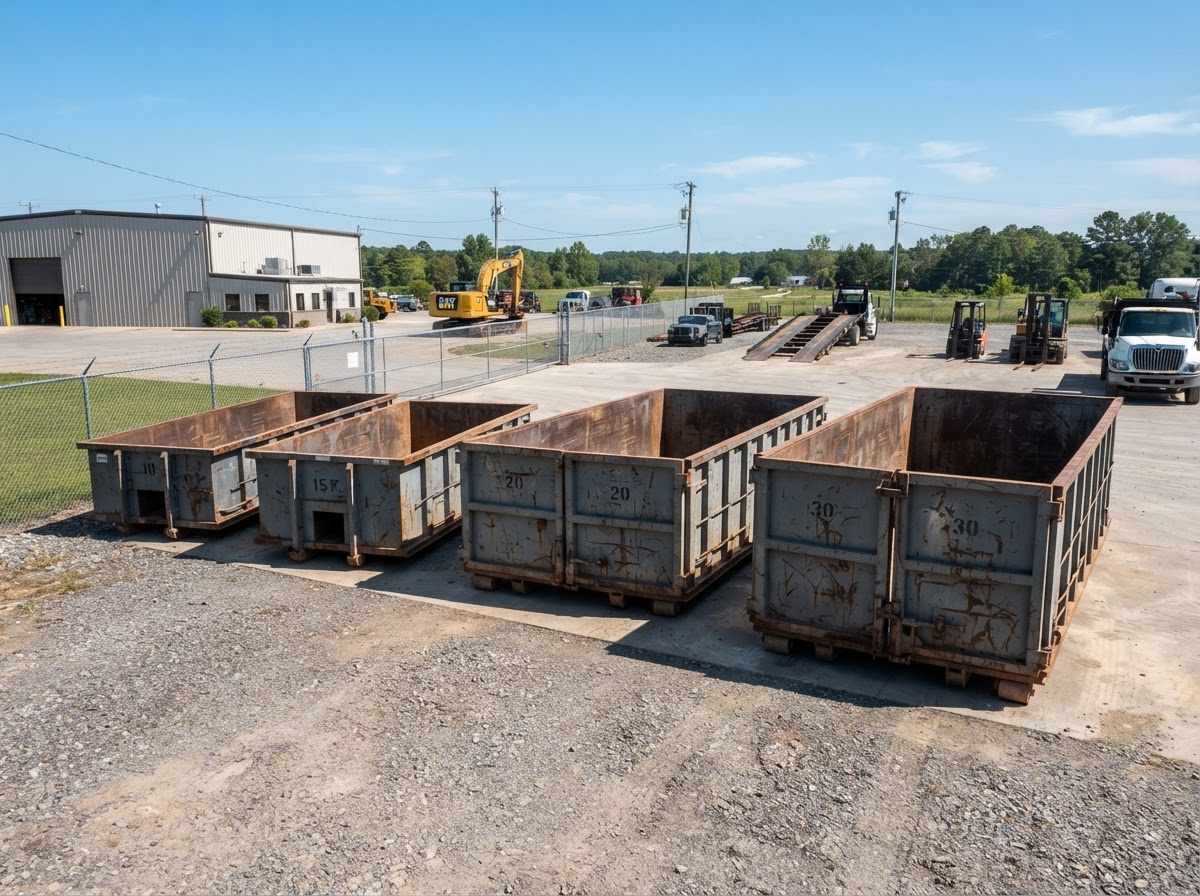
10 Yard Dumpster Rental
A 10 yard dumpster is a compact roll-off container commonly considered for smaller cleanouts, remodeling projects and limited amounts of construction or demolition debris.
Its smaller footprint can make it useful where placement space is limited, but choosing the right dumpster depends on both debris volume and material weight. Dumpster & Porta Potty Pros helps customers check local 10 yard dumpster options based on project type, debris, placement and rental dates.
What Is a 10 Yard Dumpster?
A 10 yard dumpster is a roll-off container with approximately 10 cubic yards of nominal volume. The “10 yard” name refers to volume — not the physical length of the container and not its weight limit. This distinction is important.
Two 10 yard dumpsters from different providers may have different:
- Length
- Width
- Height
- Container design
- Empty weight
- Weight allowance
- Door configuration
For that reason, customers should not assume every 10 yard dumpster has identical physical dimensions. The actual container specifications should be confirmed with the local provider. For a broad overview of all roll-off dumpster rental options, see our main rental guide.
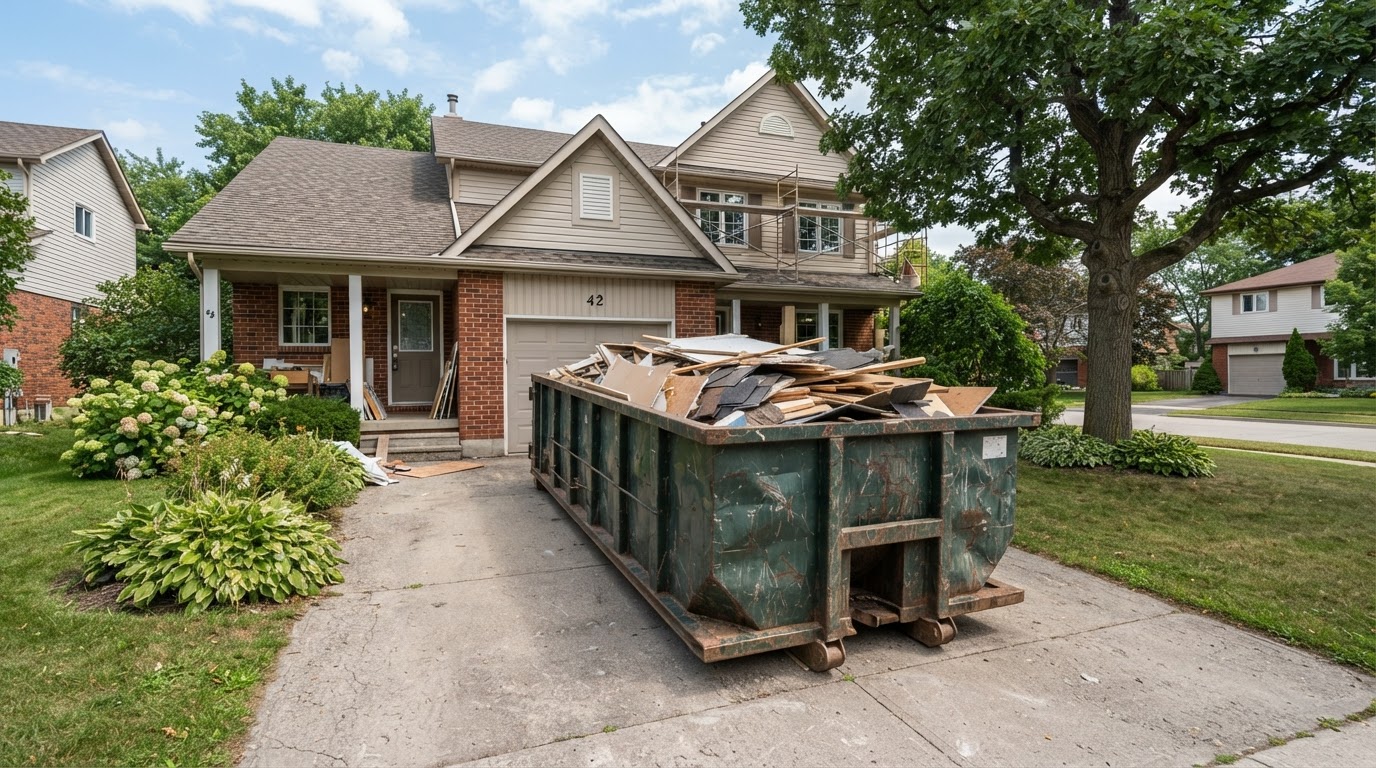
How Much Is 10 Cubic Yards?
Dumpster sizes are usually described in cubic yards. One cubic yard is a measure of volume equal to 3 feet × 3 feet × 3 feet. A 10 cubic yard dumpster therefore represents approximately 10 cubic yards of container volume.
Do not translate this into a guaranteed number of pickup-truck loads. Truck beds vary too much for that to be a precise universal measurement.
Size vs. Weight
Cubic yards measure how much physical space debris occupies. Weight measures how heavy that debris is. A container can reach its allowable weight before it is physically full when dense materials are being loaded.
What Is a 10 Yard Dumpster Good For?
A 10 yard dumpster may be appropriate for projects that generate a relatively limited amount of debris.
Small Home Cleanouts
A 10 yard dumpster may work for smaller household cleanouts where the amount of furniture, boxes and general debris is limited.
Garage Cleanouts
Smaller garage cleanouts may fit a 10 yard container depending on the amount and type of material being discarded.
Basement Cleanouts
A compact dumpster may be appropriate for a partial basement cleanout or a smaller volume of household debris.
Small Remodeling Projects
Bathroom renovations, smaller room renovations and limited remodeling work may generate an amount of debris appropriate for a 10 yard dumpster.
Roofing Projects
A 10 yard container may be used for some roofing debris, but roofing materials can become heavy quickly. Customers should provide the roofing material and approximate project size so the provider can determine an appropriate container and weight arrangement.
Concrete, Dirt & Heavy Materials
Smaller dumpsters are sometimes used for dense materials because weight can become the limiting factor before volume. However, providers may have specific container, fill-level or material restrictions for concrete, dirt, brick and similar debris.
See our heavy debris dumpster rental guide.
Construction Debris
Smaller construction and renovation projects may use a 10 yard dumpster when debris volume is limited.
See our construction dumpster rental guide.
What Can Go in a 10 Yard Dumpster?
Accepted materials vary by provider and local disposal rules. Depending on the rental, commonly accepted debris may include materials such as:
- Household junk
- Boxes
- Furniture
- Wood
- Drywall
- Flooring
- Cabinets
- Remodeling debris
- Construction debris
- Roofing material where allowed
- Yard debris where allowed
- Concrete or masonry under an approved heavy-debris arrangement
Always identify the material being disposed of when requesting the dumpster. Some debris types require separate handling, different containers, special disposal arrangements or different pricing.
What Should You Not Put in a Dumpster?
Material restrictions vary by provider and disposal facility. Certain materials may be prohibited, restricted or require special handling. Examples can include:
- Paints and solvents
- Chemicals
- Fuels
- Batteries
- Certain electronics
- Tires
- Refrigerants
- Medical waste
- Asbestos-containing materials
- Other hazardous or regulated materials
This is not a complete list. Ask the local provider about the exact material before loading anything that may be hazardous, regulated or subject to special disposal rules.
Dumpster Size Is About More Than Volume
One of the most common dumpster-sizing mistakes is considering only how much space the debris will occupy. Weight can be equally important.
Lighter, Bulky Debris
Items such as furniture, boxes and some household junk may occupy a large amount of container space without being as dense as masonry or soil.
Dense Debris
Concrete, dirt, brick, asphalt and similar materials can become extremely heavy even when they occupy a relatively small amount of space.
That means a 10 yard dumpster might be physically large enough for a pile of dense debris but still not be appropriate to fill completely with that material. Providers may:
- Limit fill height
- Use specific containers
- Limit mixed materials
- Set specific weight allowances
- Require heavy debris to be kept separate
Exact policies vary. For dense material, see our heavy debris dumpster rental guide.
10 Yard vs. 15 Yard Dumpster
10 Yard Dumpster
May be better when:
- Debris volume is relatively small
- Placement space is limited
- The project is a smaller cleanout
- The renovation is limited in scope
- Heavy debris requires a smaller-volume approach depending on provider rules
15 Yard Dumpster
May be better when:
- The project is slightly larger
- You are uncertain whether a 10 yard container provides enough volume
- A cleanout includes more bulky household material
- Renovation debris may exceed the smaller container
The difference is not simply physical size. Available dimensions, weight allowances and material policies vary by provider. Compare 15 yard dumpsters for more detail.
10 Yard vs. 20 Yard Dumpster
A 20 yard dumpster provides substantially more nominal volume than a 10 yard dumpster, but bigger is not automatically better.
Choose a 10 Yard When
- The debris volume is clearly limited
- Placement space matters
- The project is relatively small
- Dense material makes weight more important than volume
Consider a 20 Yard When
- You expect substantially more debris
- The project includes larger amounts of bulky material
- You are completing a more substantial renovation or cleanout
- The 10 yard option may require multiple hauls
The correct choice depends on debris type, volume, weight and local container availability. See our 20 yard dumpster rental guide for comparison.
When Should You Choose a Larger Dumpster?
A 10 yard dumpster can be economical and convenient for the right project, but choosing a container that is too small can create its own problems. Consider moving to a larger size when:
- You are uncertain about debris volume
- The project includes bulky furniture
- Multiple rooms are being renovated
- A cleanout involves an entire home
- Construction scope may expand
- Debris cannot safely remain below the container's fill line
- You might otherwise need a second container or haul
Available larger options may include:
Do not make claims about which sizes are universally available.
How to Load a 10 Yard Dumpster
Good loading helps use the available container volume efficiently and reduces avoidable problems.
Load Evenly
Distribute debris across the container rather than concentrating everything in one area where practical.
Break Down Bulky Items
Breaking down appropriate furniture, cabinets or other bulky debris can reduce unused air space.
Keep Debris Below the Fill Line
Do not allow material to extend above the container walls or provider-designated fill level.
Watch Heavy Materials
Dense debris can reach weight limits before the dumpster appears full.
Keep the Door Area Clear
If the container includes a walk-in door, use it according to provider instructions and make sure it can be properly closed before pickup.
Do Not Move the Container
Do not attempt to reposition a roll-off dumpster after delivery unless the provider specifically approves or handles the relocation.
Where Can a 10 Yard Dumpster Be Placed?
A smaller dumpster may provide more placement flexibility than a larger roll-off, but delivery still requires adequate access.
Common private-property placement areas may include:
- Driveways
- Construction areas
- Commercial properties
- Designated paved or stable surfaces
Placement planning should consider:
- Delivery-truck access
- Container footprint
- Overhead clearance
- Gates
- Parked vehicles
- Surface conditions
- Pickup access
- Other equipment on site
Do not publish universal truck-clearance dimensions. Street placement, public property and rights-of-way may require local permission or permits. Requirements vary by municipality.
Can a 10 Yard Dumpster Go in a Driveway?
A driveway may be a possible placement location when there is adequate space and delivery access. Before delivery, consider:
- Driveway width
- Driveway length
- Surface condition
- Slope
- Overhead wires
- Tree branches
- Vehicles
- Gates
- Garage access
- Provider truck access
Roll-off containers and delivery vehicles are heavy. Customers concerned about a particular driveway surface should discuss placement and any available protection options with the local provider before delivery. Do not guarantee that boards or another protection method will prevent surface damage.
10 Yard Dumpsters for Residential Projects
The compact size can make a 10 yard dumpster useful for residential projects where debris is limited and placement space matters.
Possible residential uses include:
- Small cleanouts
- Garage cleanouts
- Basement cleanouts
- Bathroom remodeling
- Flooring removal
- Small renovation projects
- Limited landscaping debris where accepted
For larger home cleanouts or renovations, another dumpster size may provide more practical capacity. See our residential dumpster rental guide.
10 Yard Dumpsters for Construction & Remodeling
A 10 yard dumpster may be useful for smaller construction or remodeling jobs that generate limited debris. Possible applications include:
- Bathroom renovations
- Small interior renovations
- Flooring projects
- Smaller demolition work
- Roofing debris where appropriate
- Contractor cleanup
- Property repairs
Construction projects should be sized based on both the volume and type of debris. See our construction dumpster rental guide.
Need a Dumpster & Porta Potty for the Same Project?
Construction and remodeling projects may require both debris removal and temporary restroom access. When both services are being used, placement should be planned so:
- The dumpster does not block porta potty service
- The portable toilet does not interfere with dumpster pickup
- Delivery trucks have adequate access
- Gates remain accessible
- Material staging does not block either service
For longer construction projects, coordinating temporary site services early can help avoid access conflicts later. See our construction porta potty rental page.
What Affects 10 Yard Dumpster Rental Cost?
Location
Disposal costs and local market conditions vary.
Debris Type
Different materials can involve different disposal requirements and costs.
Weight
The weight of the loaded container can affect pricing depending on the rental agreement.
Rental Period
Rental duration and extensions can affect the total cost.
Delivery & Pickup
Travel distance and service area can affect available pricing.
Disposal Fees
Local disposal or processing costs may affect the quote.
Additional Service
Extra hauls, exchanges or other services can affect total cost.
For an accurate quote, provide the project location, debris type, approximate amount of material and rental dates.
What to Know Before Renting a 10 Yard Dumpster
Be ready to provide:
Describing the debris accurately is particularly important when disposing of dense materials such as concrete, dirt, brick or asphalt.
How 10 Yard Dumpster Rental Works
Tell Us About the Project
Provide the location, debris type, approximate amount and rental dates.
Confirm the Size
Review whether a 10 yard dumpster is appropriate or whether another size may better fit the debris.
Confirm Local Availability
The local provider confirms available containers, material rules, pricing, delivery and rental details.
Prepare for Delivery
Keep the agreed placement area and delivery route accessible.
Find 10 Yard Dumpster Rental Near You
10 yard dumpster dimensions, weight allowances, material policies, rental periods and pricing vary by local market. Use our location directory to find the closest service area and check available small roll-off dumpster options.
10 Yard Dumpster Rental FAQs
Common questions about 10 yard dumpsters, sizing, heavy debris, placement and rental planning.
Check 10 Yard Dumpster Availability
Tell us where the project is located, what material you are removing and approximately how much debris you expect. Local 10 yard dumpster availability, material rules and pricing can then be confirmed.
Call (888) 524-7418