Residential Dumpster Rental
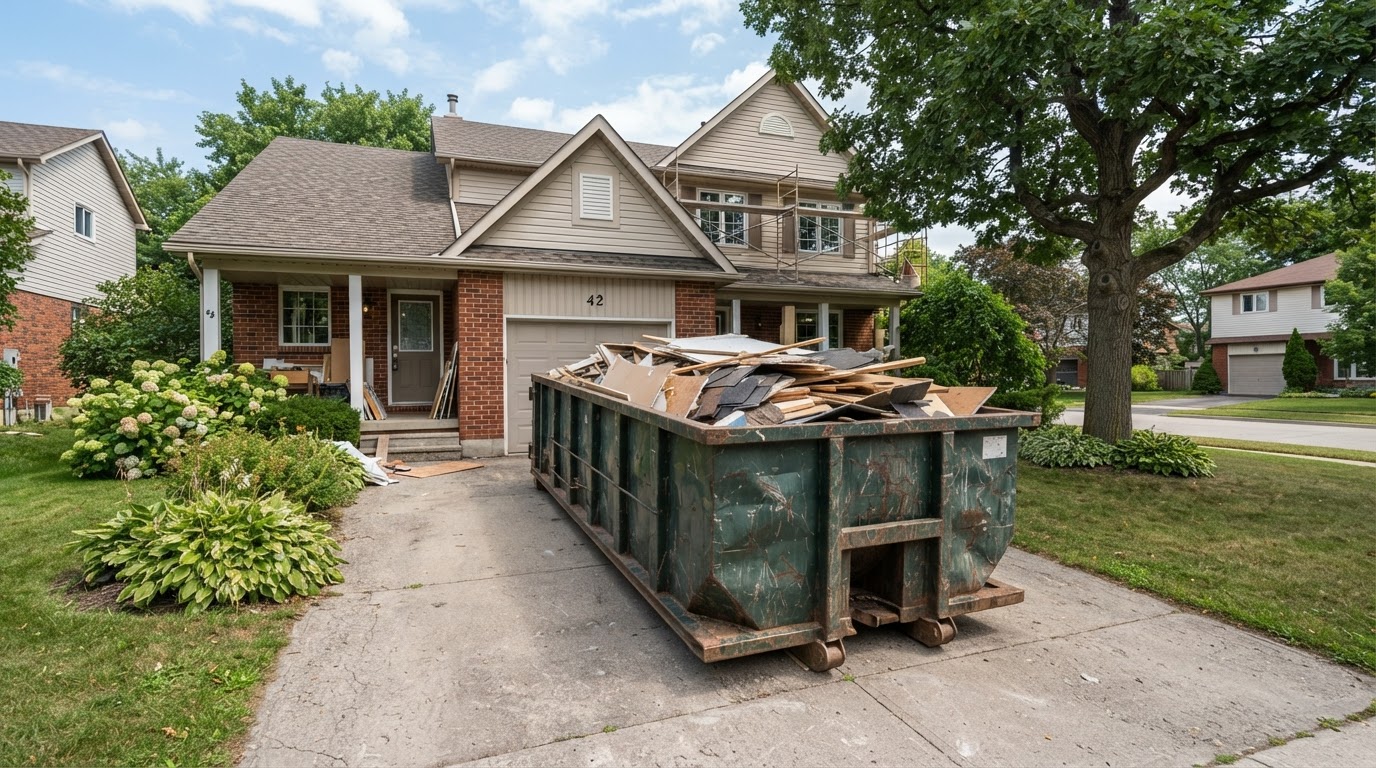
Home cleanouts, remodeling, moving and property projects can generate more debris than regular household trash service can handle. A residential roll-off dumpster provides a temporary place to collect appropriate debris while you work.
Dumpster & Porta Potty Pros helps homeowners check local dumpster options based on the project, debris type, available placement and rental dates.
What Is a Residential Dumpster Rental?
A residential dumpster rental is a temporary roll-off container used for household, renovation and property-cleanup projects. The dumpster is typically delivered to an agreed placement area, loaded during the rental period and removed according to the rental arrangement.
Residential dumpsters may be useful when a project generates more appropriate debris than can reasonably be handled through normal household trash collection. Possible projects include:
- Home cleanouts
- Garage cleanouts
- Basement cleanouts
- Attic cleanouts
- Moving preparation
- Decluttering
- Estate-related cleanup
- Remodeling
- Flooring removal
- Property cleanup
For a broad overview of all roll-off dumpster rental options, see our main rental guide.
Home Projects That May Need a Dumpster
Whole-Home or Large Cleanouts
Accumulated household belongings, furniture, boxes and general clutter can create substantial debris during a major cleanout.
Garage Cleanouts
Garages often contain bulky items, old shelving, boxes, household junk and project debris.
Basement Cleanouts
Basement cleanup may involve furniture, stored belongings, boxes, flooring and other appropriate household material.
Attic Cleanouts
Attics can accumulate boxes, household belongings and other material over many years.
Moving
A dumpster can provide a central disposal location while sorting belongings before or after a move.
Home Remodeling
Kitchen, bathroom, flooring and other renovation projects can generate construction and demolition debris.
Estate & Property Cleanup
Property cleanouts can generate varying amounts of furniture, household items and accumulated material.
Decluttering
Larger decluttering projects may generate more material than normal curbside disposal can reasonably handle.
Choosing a Dumpster for Your Home Project
Start with the project rather than automatically choosing a dumpster based on its yard number.
Smaller Cleanout
Examples
- One room
- Small garage cleanup
- Limited basement cleanup
- Minor renovation debris
A smaller container may provide sufficient capacity.
Moderate Project
Examples
- Larger garage or basement cleanout
- Kitchen renovation
- Multiple-room decluttering
- Moving cleanup
A mid-size container may provide additional flexibility.
Large Project
Examples
- Major property cleanout
- Large estate-related cleanup
- Multi-room renovation
- Furniture-heavy cleanup
A larger dumpster or multiple loads may be needed.
These are planning examples only. The appropriate size depends on the actual amount, bulk and weight of the debris.
What Size Dumpster Do I Need for a Home Cleanout?
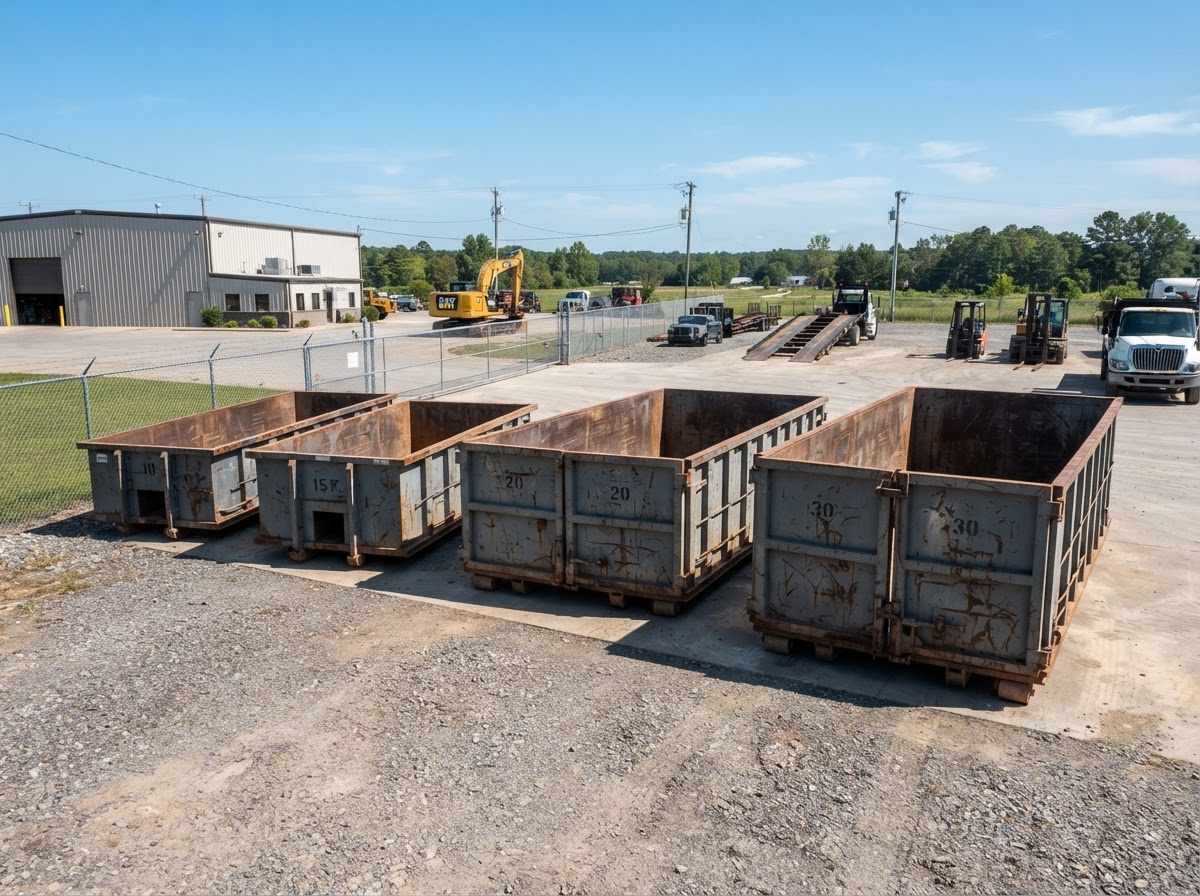
Dumpster sizes are generally described by nominal cubic-yard capacity. The right size depends on how much material you have and what that material consists of.
10 Yard Dumpster
May be considered for smaller cleanouts, limited renovation debris and compact projects.
See our 10 yard dumpster guide.
15 Yard Dumpster
An intermediate option for small-to-medium cleanouts and home projects.
See our 15 yard dumpster guide.
20 Yard Dumpster
May be useful for more substantial cleanouts, remodeling and projects involving additional bulky material.
See our 20 yard dumpster guide.
30 Yard Dumpster
May be considered for large cleanouts, major renovations and projects generating significant bulky debris.
See our 30 yard dumpster guide.
40 Yard Dumpster
May be available for very high-volume projects, but a large container is not automatically necessary or appropriate for residential work.
See our 40 yard dumpster guide.
Not every provider offers every size. Actual physical dimensions and weight allowances vary.
How Do You Estimate How Much Debris You Have?
Estimating household debris can be difficult because different items use dumpster space differently. A pile containing broken-down boxes, flooring, cabinets, furniture, mattresses where accepted and loose household items will not load the same way.
Before choosing a size, consider:
Number of Rooms
Are you cleaning one room, several rooms or most of the property?
Bulky Items
Furniture and large household items can consume substantial volume.
Can Items Be Broken Down?
Appropriate furniture, shelving and cabinets may use less space when disassembled.
Renovation Material
Drywall, flooring and construction debris add different volume and weight characteristics.
Project Uncertainty
If the cleanup is likely to expand once work begins, additional capacity may be useful.
What Happens If the Dumpster Is Too Small?
Choosing a container that is too small can mean the project produces more debris than the dumpster can hold. Depending on local availability and the rental arrangement, additional debris may require:
- A container exchange
- Another dumpster
- An additional haul
- Another disposal solution
Do not load material above the provider-designated fill level to compensate for insufficient capacity. If you are between two sizes, compare the cost and logistics of additional capacity with the possibility of needing another haul.
Do not assume you should always size up. The right choice depends on the actual debris, placement and local pricing.
Should I Just Rent the Biggest Dumpster?
Not necessarily. More volume can be useful, but the largest available dumpster may be unnecessary for a residential project. Consider:
- Amount of debris
- Debris type
- Available driveway or property space
- Local container dimensions
- Delivery access
- Material weight
- Local pricing
- Container availability
Heavy debris is especially important. A large dumpster may provide far more physical volume than can appropriately be used for concrete, dirt, brick or similar dense materials.
What Can Go in a Residential Dumpster?
Accepted materials vary by provider and disposal facility. Depending on the rental, commonly accepted material may include:
- Household junk
- Furniture
- Boxes
- Wood
- Shelving
- Cabinets
- Flooring
- Drywall
- Remodeling debris
- General property-cleanup debris
- Yard debris where accepted
This is not a universal acceptance list. Always tell the provider about unusual, heavy or potentially restricted materials before loading them.
Household Items That May Need Special Handling
Some common household items may be prohibited, restricted or subject to additional disposal requirements. Examples may include:
- Paint
- Solvents
- Chemicals
- Batteries
- Tires
- Certain electronics
- Refrigerators
- Freezers
- Air conditioners
- Other refrigerant-containing appliances
- Medical waste
- Propane cylinders
- Other hazardous or regulated materials
Rules vary by provider and local disposal facility. Do not assume an item is accepted simply because it came from a home.
Residential Dumpster Rental for Remodeling
Home renovations can generate material that is difficult to manage through normal household trash service. Possible debris includes:
- Cabinets
- Flooring
- Drywall
- Wood
- Fixtures
- Doors
- Trim
- Packaging
- General remodeling debris
Possible projects include:
- Kitchen remodeling
- Bathroom renovation
- Basement remodeling
- Flooring replacement
- Multi-room renovation
- Interior remodeling
Larger or contractor-managed projects may benefit from the more detailed construction dumpster rental guidance.
Concrete, Dirt, Brick & Other Heavy Debris
Residential projects sometimes generate dense material from:
- Patio removal
- Walkway removal
- Concrete work
- Masonry projects
- Landscaping
- Driveway work
- Renovation and demolition
Do not choose a large dumpster simply because there is a large amount of heavy material. Concrete, dirt, brick, asphalt, masonry and stone can reach weight restrictions before the dumpster is physically full. Providers may require:
- Smaller containers
- Dedicated heavy-debris dumpsters
- Lower fill levels
- Clean loads
- Material separation
- Specific weight arrangements
See our heavy debris dumpster rental guide if the project includes dense material.
Can a Residential Dumpster Go in My Driveway?
A driveway is a common potential placement area for a residential roll-off dumpster when there is adequate space and delivery access. Before delivery, consider:
- Available driveway area
- Surface condition
- Slope
- Garage access
- Parked vehicles
- Gates
- Overhead wires
- Tree branches
- Basketball hoops or other obstructions
- Delivery-truck access
- Pickup access
Actual dumpster dimensions vary by provider. Do not rely on a generic size chart when placement is tight.
Can a Dumpster Damage a Driveway?
Roll-off containers and delivery trucks are heavy, and surface conditions vary. Potential concerns can depend on:
- Driveway material
- Driveway condition
- Existing cracks
- Surface thickness
- Ground conditions
- Container weight
- Loaded weight
- Delivery conditions
If driveway protection is a concern, discuss the surface and any available placement or protection options with the local provider before delivery. Do not guarantee that wood boards, blocks or another protection method will prevent damage.
How to Prepare for Residential Dumpster Delivery
Move Vehicles
Clear cars from the proposed placement area and delivery route.
Open Gates
Make sure required gates are unlocked and accessible.
Check Overhead Space
Look for wires, tree branches and other overhead obstacles.
Clear the Area
Remove toys, equipment, trash cans and other objects from the placement location.
Plan Garage Access
Consider whether the dumpster will prevent use of the garage.
Plan for Pickup
The delivery route must generally remain usable when the container is removed.
Keep Pets & People Clear
Keep the delivery area clear while the container is being placed or removed.
How to Load a Residential Dumpster
Start With a Plan
Separate restricted or questionable items before loading begins.
Use the Door Where Available
Some roll-off dumpsters have a walk-in door that can make loading bulky household material easier.
Break Down Appropriate Items
Disassembling appropriate furniture, cabinets or shelving may reduce unused space.
Distribute the Load
Where practical, distribute material through the dumpster.
Watch Heavy Material
Do not judge dense debris solely by remaining physical space.
Stay Below the Fill Line
Do not allow debris to extend above the provider-designated loading level.
Close the Door
If the container has a door, follow provider instructions so it can be properly closed before pickup.
Dumpster Rental for Garage Cleanouts
Garage cleanouts can range from a few bulky items to years of accumulated household material. Common cleanup categories may include:
- Boxes
- Old shelving
- Furniture
- Household items
- Wood
- Project debris
- General clutter
Separate paints, chemicals, fuels, batteries, tires and other potentially restricted materials before loading. A smaller dumpster may work for a limited garage cleanup, while larger or heavily accumulated garages may require additional capacity.
Dumpster Rental for Basement & Attic Cleanouts
Basements and attics can accumulate material over many years. Before ordering, consider whether the project involves:
- Boxes and stored belongings
- Furniture
- Shelving
- Flooring
- Renovation debris
- Large quantities of miscellaneous household material
The challenge is often not just the number of items but how bulky they are once moved outside. Plan a safe path from the cleanup area to the dumpster and avoid creating blocked entrances or walkways.
Dumpster Rental When Moving
Moving can reveal belongings that are no longer worth transporting to the new property. A temporary dumpster may help with appropriate discard material during:
- Pre-move decluttering
- Garage cleanup
- Basement cleanup
- Attic cleanup
- Property preparation
- Post-move cleanup
Items that can be reused or donated may have better alternatives than disposal. Restricted materials should be separated before loading.
Dumpster Rental for Estate & Property Cleanouts
Estate-related and large property cleanouts can vary substantially in scope. Some properties contain mostly boxes and smaller belongings. Others contain:
- Furniture
- Appliances
- Stored household items
- Garage contents
- Basement contents
- Attic contents
- Outdoor debris
Because volume can be difficult to estimate before the cleanup begins, describe the property and major bulky items when requesting a dumpster. Do not assume one particular dumpster size will hold the contents of a specific size house.
Can I Put a Dumpster on the Street?
Street placement depends on local rules. A dumpster placed entirely on private property may be treated differently from one placed on:
- A public street
- Public parking
- A right-of-way
- Other municipal property
Street placement may require permission, a permit or other local requirements. Rules vary by municipality. Customers should confirm applicable requirements with the relevant local authority before using public property.
Permit requirements are not universal. Confirm the rules that apply to the specific placement location before delivery.
Check HOA or Property Rules Before Delivery
Some homeowners associations, managed communities, rental properties or shared developments may have rules concerning:
- Dumpster placement
- Rental duration
- Driveway use
- Street placement
- Visible temporary equipment
- Delivery hours
Where applicable, check property or community requirements before scheduling delivery. These restrictions do not apply everywhere.
What Affects Residential Dumpster Rental Cost?
Dumpster Size
Available container sizes and local pricing vary.
Debris Type
Different materials can have different disposal requirements.
Weight
Included weight and additional charges depend on the rental agreement.
Rental Period
Rental duration and extensions can affect total cost.
Location
Local disposal costs and service distance vary.
Delivery & Pickup
Site conditions and service arrangements may affect pricing.
Additional Hauls
Underestimating debris may require another container or exchange.
Special Materials
Some accepted materials may involve separate disposal requirements.
For an accurate quote, provide the property location, project type, debris and approximate amount.
What to Know Before Renting a Dumpster for Your Home
Be ready to provide:
If you are unsure about the size, describe the project rather than guessing from the dumpster name alone.
How Residential Dumpster Rental Works
Tell Us About the Project
Provide the property location, project type and approximate debris.
Compare Available Sizes
Review locally available dumpsters based on volume, material and placement.
Confirm the Rental
The provider confirms pricing, rental terms, accepted materials and delivery details.
Prepare the Property
Clear the agreed placement location and delivery route.
Load & Schedule Removal
Load appropriate material within the provider's requirements and arrange pickup according to the rental agreement.
Find Residential Dumpster Rental Near You
Residential dumpster sizes, physical dimensions, weight allowances, material policies, rental periods and pricing vary by local provider. Use our location directory to find the closest service area and check available home dumpster options.
Residential Dumpster Rental FAQs
Common questions about residential dumpster sizes, placement, weight, permits and pricing.
Check Residential Dumpster Availability
Tell us where the property is located, what you are cleaning out or renovating and approximately how much material you expect. Local dumpster sizes, rental options and pricing can then be confirmed.
Call (888) 524-7418