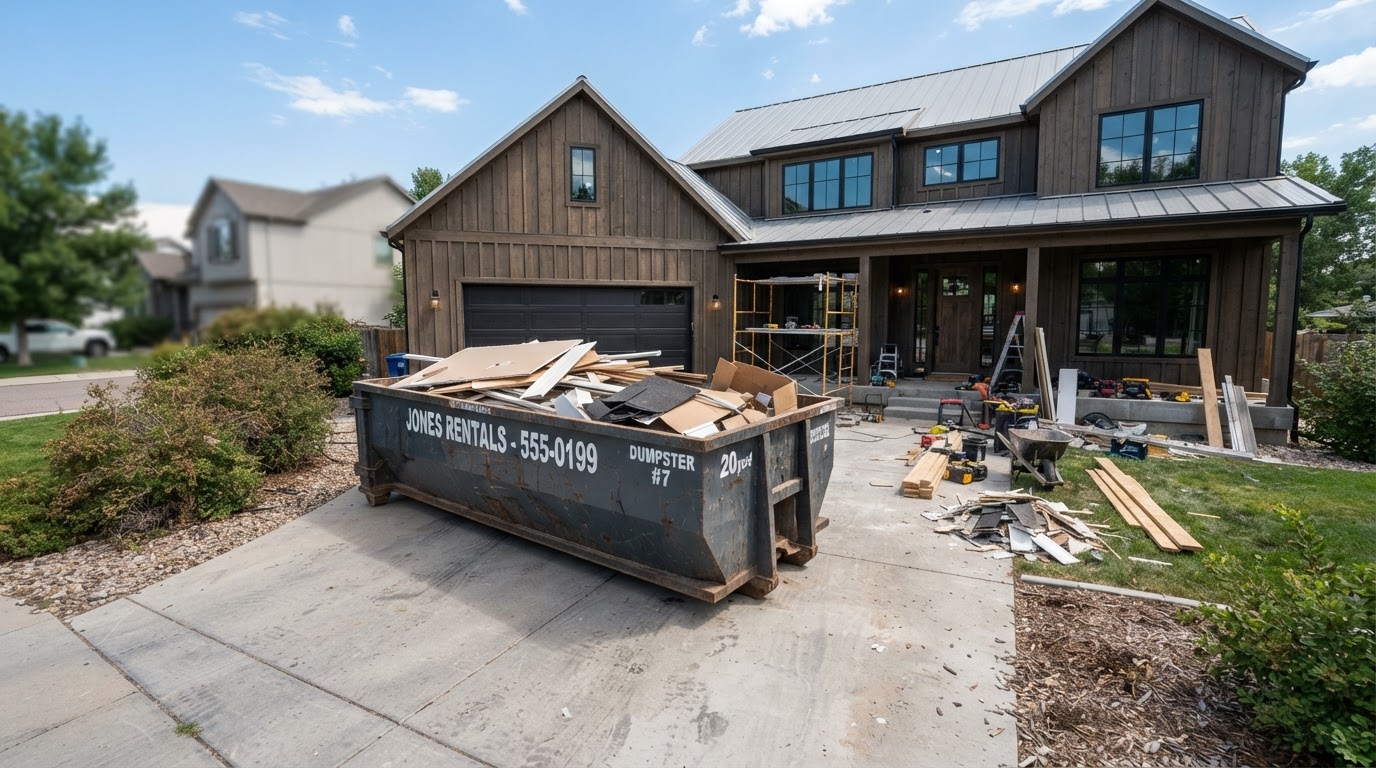
Dumpster Rental for Cleanouts, Construction & Projects
Dumpster & Porta Potty Pro helps customers check local roll-off dumpster rental options for home cleanouts, remodeling, roofing, construction, demolition and commercial projects.
The right dumpster depends on the type of debris, total weight, project size, available placement space and rental length. Start with your project details and location to compare available container sizes and rental options near you.
Dumpster Sizes for Different Projects
Roll-off dumpsters are commonly available in several container sizes. Larger is not always better. Heavy materials can reach weight limits before a container is physically full, while bulky household debris may require more volume.
10 Yard Dumpster
Roll-OffA compact roll-off dumpster often used for small cleanouts, bathroom remodeling, flooring projects and jobs where placement space is limited.
- Small household cleanouts
- Bathroom renovations
- Flooring removal
- Light remodeling debris
15 Yard Dumpster
Roll-OffA mid-size option that can work well for residential cleanouts, renovation debris and projects that need more capacity than a compact container without moving into a large roll-off.
- Medium cleanouts
- Flooring projects
- Kitchen remodeling
- Household debris
20 Yard Dumpster
Roll-OffA widely used roll-off size for larger cleanouts, remodeling, roofing and construction projects where a balance of capacity and placement space is important.
- Whole-home cleanouts
- Renovation projects
- Roofing
- Construction debris
30 Yard Dumpster
Roll-OffA larger roll-off dumpster commonly used for substantial renovations, construction, demolition and property cleanouts that generate more material.
- Large renovations
- Construction
- Demolition
- Estate and property cleanouts
40 Yard Dumpster
Roll-OffA high-capacity roll-off dumpster often used for major construction, demolition, commercial projects and large property cleanouts.
- Major construction
- Demolition
- Commercial projects
- Large-volume debris
Not Sure Which Size You Need?
Dumpster size is only one part of the decision. Debris type and weight can matter just as much as volume. Concrete, brick, dirt, asphalt and other dense materials may require different container limits or specialized heavy-debris arrangements.
Dumpster Rentals by Project Type
Residential Dumpster Rental
Roll-off dumpsters for home cleanouts, moving projects, estate cleanouts, remodeling and household debris.
Explore Residential DumpstersConstruction Dumpster Rental
Dumpster rental options for contractors, builders, remodelers, tenant improvements and active jobsites.
Explore Construction DumpstersConcrete & Heavy Debris Dumpster Rental
Dumpster options for dense materials such as concrete, brick, asphalt, dirt and rock where weight limits may be reached before the container is full.
Explore Concrete & Heavy Debris DumpstersOther Common Dumpster Uses
These project types are covered within the broad dumpster rental options above and do not have separate dedicated pages.
Roofing Projects
Roll-off containers for roofing tear-offs and replacement projects where shingle weight and disposal limits should be considered before choosing a size.
Commercial Property Projects
Temporary roll-off dumpsters for business renovations, commercial construction, property projects and facility cleanouts.
Yard & Landscaping Debris
Dumpster options for approved landscaping debris such as brush, limbs and yard material where local disposal rules allow it.
What Can Go in a Dumpster?
Accepted materials vary by local provider and disposal facility, so customers should confirm debris before loading the container.
Commonly Accepted Materials
- Household junk
- Furniture
- Remodeling debris
- Wood
- Drywall
- Roofing materials
- Approved construction debris
- Yard debris where permitted
Materials That May Need Special Handling
- Paint
- Chemicals
- Batteries
- Propane cylinders
- Motor oil
- Refrigerant appliances
- Asbestos-containing materials
- Other hazardous or regulated materials
What Affects Dumpster Rental Pricing?
Dumpster rental pricing can vary significantly between markets and projects. The base rental price is only one part of the total.
Container Size
Larger containers can cost more, but the correct size depends on the project and debris.
Debris Weight
Heavy materials can increase disposal costs or create overage charges.
Rental Length
Extra rental days may affect the final price.
Delivery Distance
Distance from the local service area or disposal facility can affect pricing.
Extra Trips
Dry runs, blocked access, relocations or additional pickups may create extra charges.
Local Disposal Costs
Landfill, transfer-station and disposal fees vary by market.
How Dumpster Rental Works
Tell Us About the Project
Provide the project location, debris type, expected amount of material and rental dates.
Choose a Dumpster Size
Select a container based on volume, weight and available placement space.
Confirm Local Availability
The local provider confirms equipment availability, pricing, delivery timing and rental terms.
Schedule Delivery & Pickup
Keep the placement area accessible for delivery and pickup.
Dumpster Placement & Delivery Access
A roll-off dumpster needs a stable placement area and enough room for the delivery vehicle to safely position and retrieve the container.
Before delivery:
- Keep vehicles out of the placement area
- Open gates when needed
- Watch for low branches and overhead wires
- Confirm driveway or surface conditions
- Check local rules before placing a dumpster on a public street or right-of-way
Find Dumpster Rental Near You
Dumpster & Porta Potty Pro serves a growing network of local service markets. Equipment availability, container sizes and disposal rules can vary by city.
Dumpster Rental FAQs
Ready to Find a Dumpster?
Tell us what you are working on, what type of debris you have and where the project is located. Local availability, container options and pricing can then be confirmed.
Call (888) 524-7418