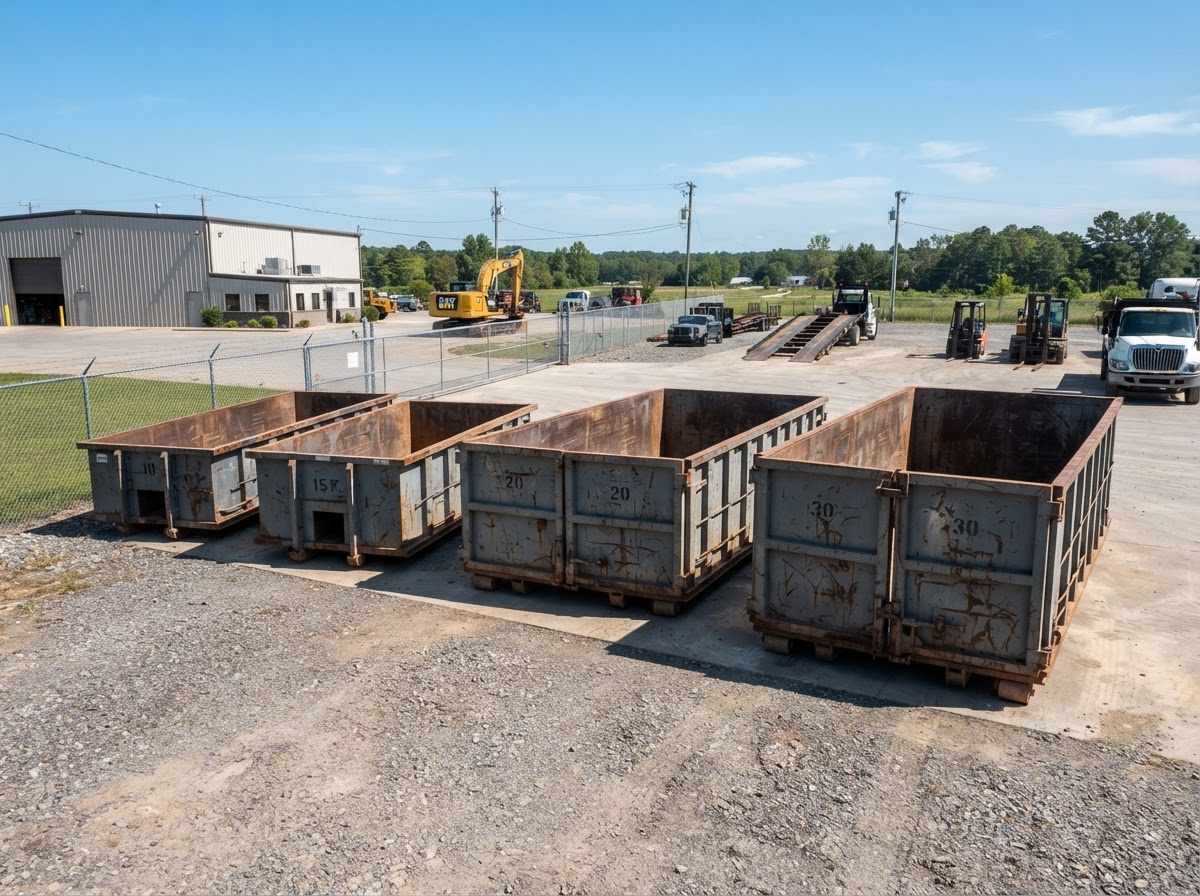
Concrete & Heavy Debris Dumpster Rental
Concrete, brick, dirt and asphalt are different from normal cleanup debris.
They may not take up much space, but they can add thousands of pounds quickly. That means heavy-debris dumpster rental is usually planned around weight, not just cubic-yard capacity.
Dumpster and Porta Potty Rentals helps you check local availability for roll-off dumpsters used for concrete, brick, block, asphalt, dirt and other dense construction materials.
Call now to check heavy-debris dumpster sizes, material rules and local availability.
Prefer to send the project details online? Find a Location.
Dumpsters for Concrete and Heavy Construction Debris
Heavy-debris dumpsters are used for dense materials that can reach container or truck weight limits before the box looks full.
Common materials include:
- concrete
- brick
- block
- asphalt
- dirt
- soil
- stone
- tile
- mortar
- masonry debris
These rentals can follow different rules from a normal mixed construction dumpster. If your project includes a mix of lumber, drywall, flooring and general demolition debris, see Construction Dumpster Rental.
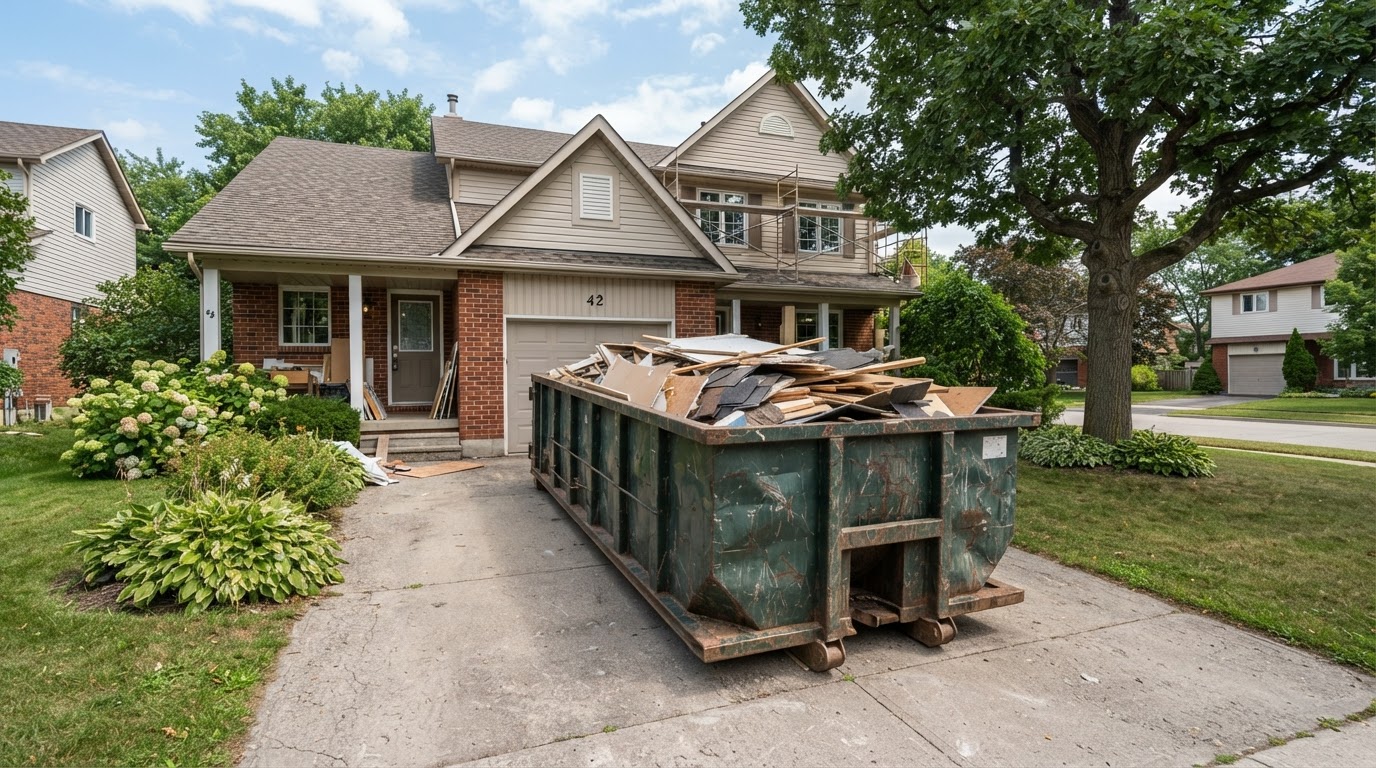
Why Heavy Debris Needs Different Planning
A standard roll-off may hold a large amount of volume, but dense debris can become too heavy to haul safely. That is why a provider may recommend:
- a smaller dumpster
- a low-profile container
- reduced fill height
- one material only
- multiple hauls instead of one large container
The biggest dumpster is not automatically the best dumpster for concrete.
What Is a Heavy-Debris Dumpster?
A heavy-debris dumpster is usually a roll-off selected specifically for dense material. The container may be:
- smaller in cubic-yard capacity
- lower-sided
- designed for easier loading
- restricted to certain material types
Some providers use 10- or 15-yard containers for dense material because the weight becomes the limiting factor before volume does. Exact sizes vary by provider. See the Dumpster Size Guide for the broader roll-off size comparison.
Low-Profile Roll-Off Dumpsters
A low-profile dumpster has shorter sides than a typical high-volume construction container. That can make it useful for:
- concrete
- brick
- asphalt
- dirt
- other dense debris
The lower side height can also make loading heavy material easier. The main reason for the smaller profile is weight control.
Concrete Dumpster Rental
Concrete removal is common during:
- driveway replacement
- patio demolition
- sidewalk removal
- foundation work
- slab removal
- pool demolition
- masonry projects
- commercial renovation
Concrete is extremely heavy. A container may need to be filled only partway depending on the provider's limits. Tell the provider how much concrete you expect before delivery.
Clean Concrete Loads
A clean load generally means the dumpster contains one approved material without contamination from other debris. A clean concrete load may contain concrete only, depending on local rules. The material may have different recycling or disposal options from mixed C&D debris.
Do not assume these materials can be mixed into a clean load:
- drywall
- lumber
- household trash
- plastic
- insulation
- roofing
- soil
- metal
The provider should confirm what qualifies as clean material.
Brick and Block Dumpster Rental
Brick, concrete block and masonry debris are also very dense. These materials may come from:
- chimney demolition
- retaining wall removal
- masonry repair
- foundation work
- commercial demolition
- patio projects
- structural renovation
Brick and block may be handled similarly to concrete in some markets, while others use different disposal rules. Describe the material when calling.
Asphalt Dumpster Rental
Asphalt can come from:
- driveway removal
- parking-lot work
- roadway projects
- paving replacement
- site redevelopment
Asphalt may have recycling value in some areas, which is another reason providers sometimes require it to stay separate from mixed debris. Tell the provider whether the load is asphalt only or mixed with concrete, dirt or other material.
Dirt and Soil Dumpster Rental
Dirt is one of the heaviest materials placed in a roll-off. Even a relatively small amount can create a very heavy load. Possible uses include:
- excavation
- landscaping
- grading
- trench work
- drainage projects
- foundation work
Some providers accept clean soil under specific terms. Others may restrict dirt entirely or require a dedicated container. Always confirm before loading.
Stone and Gravel
Stone and gravel create the same basic weight problem as dirt and concrete. The provider may recommend:
- a smaller box
- reduced fill level
- multiple loads
Do not fill a large roll-off to the top with stone simply because the material fits.
Tile and Mortar Debris
Bathroom, kitchen and flooring demolition can produce:
- ceramic tile
- porcelain tile
- mortar
- cement board
- thinset
- masonry material
These projects can become much heavier than they appear. A bathroom remodel may not need a large container by volume, but the dense tile and mortar can affect the allowed load.
Clean Load vs Mixed Debris
This distinction matters. A clean-load dumpster contains one approved material. A mixed-debris dumpster contains multiple types of construction material.
For example:
Clean load:
concrete only.
Mixed C&D:
concrete, drywall, wood, flooring and packaging.
Mixed loads may have higher disposal costs because the material cannot be handled as a single recyclable stream. Local acceptance rules vary.
Why You Should Identify the Material Before Ordering
Saying “construction debris” is not specific enough when the project contains heavy material. Tell the provider whether the load is primarily:
- concrete
- brick
- asphalt
- dirt
- stone
- mixed construction debris
This helps the provider determine:
- container size
- fill limit
- weight allowance
- disposal facility
- whether material must stay separate
Dumpster Weight Limits
Heavy-debris rentals are controlled by container and transportation weight limits. The dumpster may have an allowed weight or maximum loading rule. The loaded truck must also remain within safe and legal transportation limits. That is why providers may restrict how high concrete or dirt can be loaded.
Included Tonnage
A dumpster quote may include a certain amount of disposal weight. This is commonly called:
- included tonnage
- weight allowance
- disposal allowance
If the final load exceeds the included amount, overage charges may apply. Heavy-debris rentals can reach those limits quickly.
Scale Tickets
Loaded dumpsters may be weighed at a:
- landfill
- transfer station
- recycling facility
- C&D processing facility
A scale ticket documents the measured weight. This can be used to determine the final disposal tonnage.
Heavy-Debris Overage Charges
An overage occurs when the final weight exceeds the amount included in the rental terms. Because concrete and dirt are so dense, customers should understand the weight terms before booking. Ask:
- how much weight is included
- maximum allowed load
- whether the material has a special fill limit
- price for additional tonnage
Understanding the weight terms before booking helps avoid surprises on the final disposal bill.
Do Not Fill Heavy Debris to the Top
A tall dumpster may have a physical capacity far greater than the safe weight capacity for concrete. The provider may require heavy material to stay:
- below a marked fill line
- below a specified height
- at a reduced level inside the box
Follow the heavy-material loading instructions exactly. An overloaded dumpster may not be safe to haul.
Mixing Heavy Materials
Can Concrete and Dirt Go Together?
Not always. Some providers require concrete and soil to remain separate. Mixing materials can affect disposal acceptance, recycling, load classification and price. Tell the provider what materials are involved before loading.
Can Concrete and Brick Go Together?
Possibly. Some facilities accept clean masonry loads containing concrete and brick. Others may have more specific requirements. Confirm the accepted combination locally.
Can Asphalt and Concrete Go Together?
Sometimes, but not universally. Both materials may have different recycling streams. A clean asphalt load may be handled differently from concrete. Confirm before mixing them.
Can Rebar Go in a Concrete Dumpster?
Concrete demolition may contain steel reinforcement. Rebar can create loading and transportation problems if it sticks outside the container. Tell the provider if reinforced concrete will be removed. All material should remain safely inside the dumpster.
Can Household Trash Go in a Concrete Dumpster?
Usually not when the container is priced or classified as a clean heavy-material load. Adding household trash, drywall, lumber or other debris can contaminate the load and change the disposal method. Use a separate mixed-debris container if needed.
Heavy Debris From Bathroom and Kitchen Remodeling
A remodeling project may not look like a masonry job, but tile and stone can create dense debris. Common heavy materials include:
- tile
- stone countertops
- mortar
- cement board
- concrete underlayment
If those materials make up a large part of the project, mention them before ordering.
Driveway Removal
Driveway demolition can generate large quantities of:
- concrete
- asphalt
- stone base
This may require several loads. The project should be planned around weight and the material being removed.
Patio and Walkway Removal
Concrete patios, pavers and walkways can also create dense debris. If pavers, brick and concrete are mixed, tell the provider. The disposal rules may depend on whether the material can remain a clean masonry load.
Foundation and Slab Work
Foundation and slab removal can generate some of the heaviest construction debris. These projects may require:
- multiple dumpsters
- small heavy-debris boxes
- staged hauling
Do not estimate these projects from cubic yards alone.
Heavy Debris on Commercial Jobsites
Commercial construction may generate:
- concrete
- block
- masonry
- asphalt
- excavation material
Large projects may use repeated heavy-debris hauls instead of one oversized container, with the schedule planned around weight limits and site access.
Dumpster Placement for Heavy Debris
A loaded heavy-debris container can put significant weight on the surface beneath it. Placement should consider:
- pavement condition
- driveway strength
- underground utilities
- septic systems
- soft ground
- slopes
- truck access
A firm surface is especially important for dense loads.
Driveway Protection
Concrete and heavy debris can create an extremely heavy loaded dumpster. Ask the provider about placement and driveway-protection procedures. No method can guarantee that a weak or damaged driveway will not crack.
Heavy-Debris Delivery
Before delivery:
- 1clear the truck path
- 2move vehicles
- 3unlock gates
- 4confirm the placement area
- 5identify overhead wires
- 6tell the provider about slopes
- 7confirm the surface can handle the container
Heavy loads require safe access for both delivery and pickup.
Heavy-Debris Pickup
Before pickup:
- keep the truck route open
- stay below the required fill limit
- make sure no debris sticks over the sides
- close and secure the door
- unlock gates
- remove equipment blocking access
An overloaded or unsafe container may need to be adjusted before it can be hauled.
What Cannot Go in a Heavy-Debris Dumpster?
A heavy-material container is not a general trash dumpster. Do not assume it can also hold:
- household garbage
- paint
- chemicals
- batteries
- fuel
- propane tanks
- asbestos
- liquids
- electronics
Clean-load rules may be stricter than normal dumpster rules, so confirm what qualifies as an acceptable material before loading.
How Much Does a Concrete Dumpster Cost?
Pricing can depend on:
- container size
- project location
- material
- included tonnage
- actual weight
- number of loads
- disposal facility
- delivery distance
- rental length
- contaminated loads
- dry runs
Heavy-debris pricing can differ substantially from ordinary household cleanup pricing because disposal weight is much higher.
Heavy Debris and Construction Dumpster Rental
Some projects need two containers. For example: A renovation may use one heavy-debris dumpster for concrete and tile. A second mixed C&D dumpster may hold drywall, lumber and cabinets. Separating material correctly can make loading and disposal easier.
For mixed construction debris that combines lumber, drywall and other general building material, a separate Construction Dumpster Rental can keep the loads organized.
Frequently Asked Questions
Common questions about heavy-debris dumpster sizes, clean loads, weight limits and material rules.
Check Heavy-Debris Dumpster Availability
Start by identifying the material. Concrete, brick, asphalt, dirt and mixed construction debris may all require different handling.
Call now to check available heavy-debris dumpsters, weight limits and material requirements for your project.
You can also review Construction Dumpster Rental, the Dumpster Size Guide or Dumpster Rental Cost.