Construction Dumpster Rental
Construction projects create debris in stages.
Demolition may fill the first dumpster quickly. Framing, drywall, roofing and finish work can produce different material later. Larger projects may need multiple roll-off swaps before the final cleanup.
Dumpster and Porta Potty Rentals helps you check local availability for construction dumpsters used for remodeling, demolition, new construction, commercial buildouts and ongoing jobsites.
Call now to check construction dumpster sizes, availability and delivery options for your project.
Prefer to send the project details online? Find a Location.
Roll-Off Dumpsters for Construction Projects
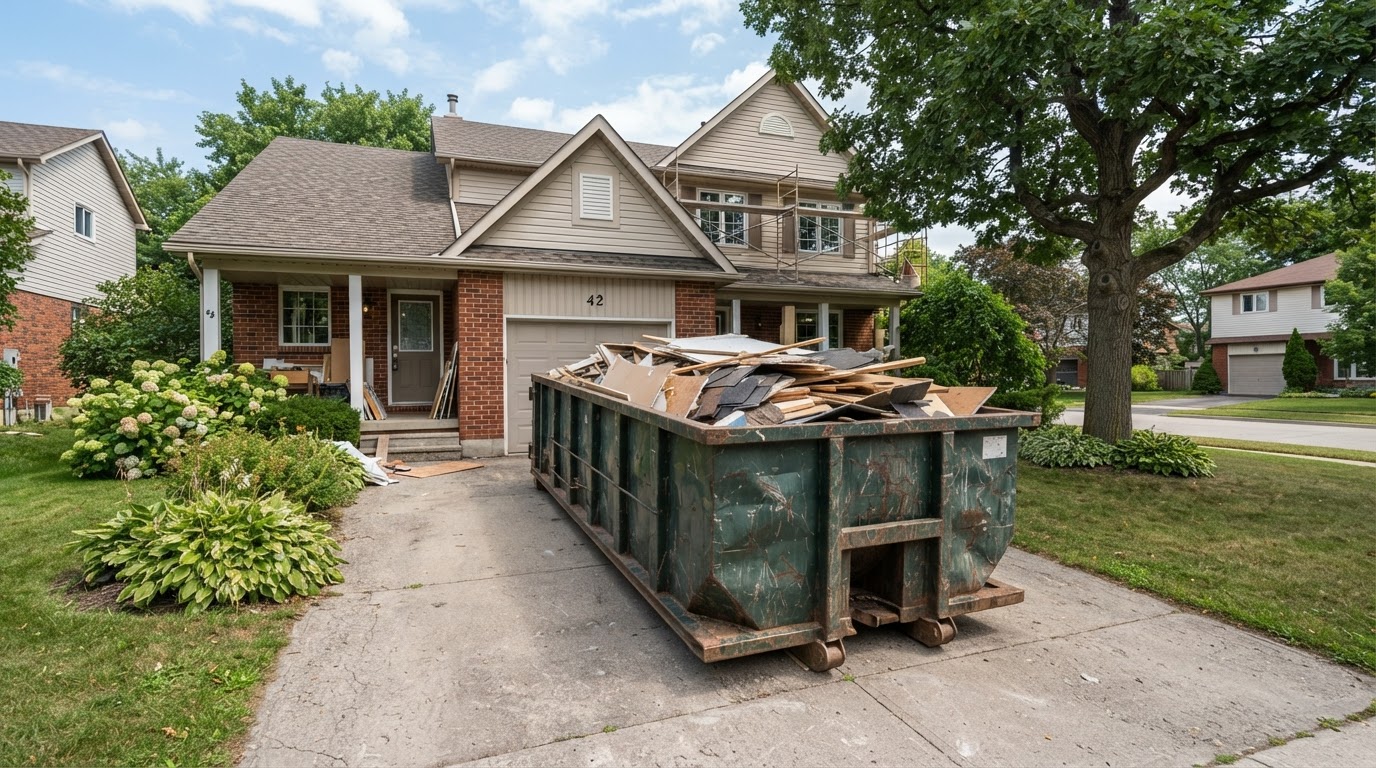
A construction dumpster is normally a temporary roll-off container placed at a jobsite while work is underway. The container can be used during demolition, remodeling, construction and cleanup. Once full, the dumpster can be removed or swapped for another empty container.
Common construction uses include:
- residential remodeling
- home additions
- commercial renovations
- tenant buildouts
- demolition
- roofing
- flooring removal
- siding replacement
- deck removal
- shed demolition
- multifamily renovation
- warehouse work
- new construction
- property redevelopment
If your project also needs temporary restrooms, Construction Porta Potty Rental options may be available for the jobsite.
What Size Construction Dumpster Do You Need?
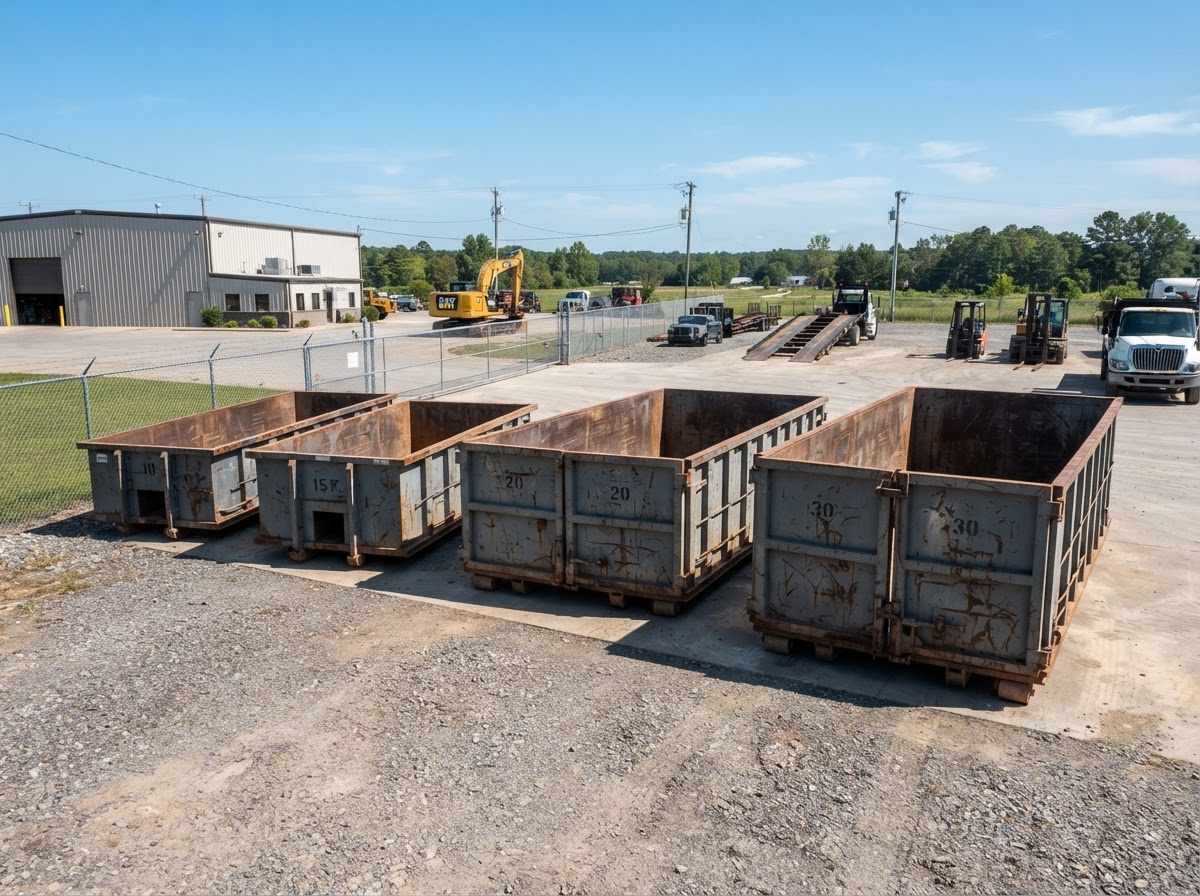
Common construction roll-off sizes include 10, 15, 20, 30 and 40 yards. The right size depends on both debris volume and debris weight.
10-Yard Construction Dumpsters
A 10-yard roll-off can work for smaller renovations, bathroom demolition, flooring removal and certain heavy-debris projects.
Smaller containers are also useful where jobsite space is limited.
15-Yard Construction Dumpsters
A 15-yard container provides additional capacity without taking up as much room as a larger construction box.
It may work for smaller remodeling projects, deck removal, flooring and moderate construction debris.
20-Yard Construction Dumpsters
A 20-yard dumpster is one of the most versatile construction sizes. Common uses include:
- kitchen renovation
- larger bathroom remodels
- deck removal
- roofing
- flooring
- smaller additions
- contractor cleanups
- light commercial renovations
30-Yard Construction Dumpsters
A 30-yard roll-off is commonly associated with larger renovations and construction projects. It can make sense for:
- major home remodeling
- additions
- commercial buildouts
- demolition debris
- large property renovations
- multifamily projects
40-Yard Construction Dumpsters
A 40-yard container is built around high debris volume. Typical uses may include:
- large construction projects
- warehouse cleanouts
- commercial demolition
- major renovations
- multifamily work
- large-scale property redevelopment
A 40-yard container is not always appropriate for dense material such as concrete or dirt because weight can become the limiting factor before volume.
See the Dumpster Size Guide for a full size comparison.
Construction Debris Is Not All the Same
One of the most important parts of ordering a construction dumpster is describing the material accurately. A container filled with drywall and lumber is different from a container filled with concrete.
Common construction and demolition debris may include:
- lumber
- drywall
- insulation
- flooring
- roofing materials
- siding
- cabinetry
- doors
- trim
- packaging
- metal
- masonry
- concrete
- brick
- asphalt
The local provider and disposal facility determine which materials can be mixed together. Some materials may require separate containers.
Mixed C&D Debris
C&D means construction and demolition debris. A mixed C&D dumpster may contain several ordinary construction materials from the same project, depending on local acceptance rules. For example, a remodeling project might produce:
- wood
- drywall
- cabinets
- flooring
- trim
- packaging
The debris may travel to a landfill, transfer station or construction-and-demolition processing facility. Some facilities sort material such as wood, metal, concrete and cardboard for recycling or recovery. Local rules vary, so the final disposal path depends on the project location and provider.
Heavy Debris Construction Dumpsters
Dense material requires different planning. Concrete, brick, block, asphalt and dirt can become extremely heavy. A contractor can reach the weight limit of a dumpster before the container appears full.
That is why heavy-debris rentals may use:
- smaller containers
- low-profile containers
- specific fill limits
- clean-load requirements
- separate material rules
A clean load generally means the container contains one approved material instead of mixed construction debris. For example, clean concrete may be handled differently from a dumpster containing concrete mixed with drywall, wood and household waste. See Concrete & Heavy Debris Dumpster Rental before ordering a container for dense material.
Roofing Construction Dumpsters
Roofing debris deserves its own planning. Shingles are dense. A container can reach its allowed tonnage while still having visible room left.
The right roofing dumpster can depend on:
- roof size
- number of roofing squares
- number of existing layers
- shingle type
- other roofing debris
- local weight allowance
A smaller dumpster may sometimes be more practical than a very large roll-off because the controlling issue is weight rather than cubic-yard capacity. See Roofing Dumpster Rental.
Dumpster Swaps for Active Jobsites
Large construction projects often need more than one haul. A swap, swap-out or dump-and-return means the provider removes the full dumpster and leaves another empty container. This lets the job continue without waiting until the end of the entire rental.
For example: Demolition fills the first 30-yard container. The provider swaps it. Framing and construction debris fill the second. Another swap may occur later during finish work and cleanup. The final container is removed with a final pull when the project is complete.
Call early when you know a dumpster is getting full so the next haul can be scheduled around the construction timeline.
What Is a Final Pull?
The final pull or final haul is the last dumpster pickup. The provider removes the container without delivering another empty one. Contractors commonly use this term near the end of a project when demolition, construction and cleanup are finished.
Construction Dumpster Weight Limits
Roll-off dumpster pricing often includes an allowed amount of disposal weight. You may hear this described as:
- included tonnage
- weight allowance
- disposal allowance
If the loaded dumpster weighs more than the included amount, additional overage charges may apply. The disposal facility may weigh the loaded truck or container. A scale ticket records the measured weight used to calculate disposal charges.
This is why describing the debris accurately before ordering matters. A 20-yard dumpster full of light construction debris and a 20-yard dumpster full of roofing shingles can have very different final weights.
Keep Debris Below the Fill Line
Construction dumpsters should not be loaded above the provider's approved fill level. Material sticking above the top rail can create transportation and safety problems. You may hear contractors describe this as:
- level load
- below the top rail
- keep it level with the sides
Heavy debris may have a lower permitted fill level even when the container itself is taller. Follow the provider's loading instructions for the specific debris.
Walk-In Dumpster Doors
Many construction roll-offs have a rear door that allows workers to walk material into the container while it is still relatively empty. This can make loading easier for:
- drywall
- lumber
- cabinets
- flooring
- demolition debris
- bulky materials
Do not use or open the door in a way that conflicts with the provider's safety instructions. Before pickup, the door must normally be closed and secured.
Construction Dumpster Placement
Good jobsite placement saves time throughout the project. The dumpster should be close enough for workers to use without blocking the work area or preventing the truck from returning.
Consider:
- truck approach
- turning space
- cranes or lifts
- material deliveries
- worker parking
- temporary fencing
- overhead wires
- tree limbs
- gates
- excavated areas
- mud
- soft ground
- slopes
- changing construction phases
The placement that works during demolition may not work later once framing, paving or landscaping begins. Plan for the entire project when possible.
Driveway and Surface Protection
Residential construction may require a roll-off to be placed on a driveway. A loaded dumpster can be very heavy. Providers may use or recommend wood boards or another approved method to reduce direct contact at certain points.
Surface protection does not guarantee that a driveway cannot crack or become damaged. The condition, material, age and thickness of the driveway all matter. If the project is mainly residential, see Residential Dumpster Rental.
Street and Right-of-Way Placement
Private-property placement is often simpler than placing a dumpster in a public street. A street, sidewalk, parking lane or public right-of-way may require local approval. Rules can address:
- permits
- container location
- reflectors
- barricades
- lighting
- maximum rental duration
- traffic access
- emergency access
There is no single nationwide dumpster permit rule. Check the municipality that controls the project location before putting a roll-off on public property.
Construction Dumpster Delivery
The jobsite should be ready before the truck arrives. Before delivery:
- 1confirm the placement area
- 2remove vehicles
- 3unlock gates
- 4clear equipment from the route
- 5check for wires and branches
- 6make sure the surface is firm
- 7tell the provider about access restrictions
A failed delivery or pickup can result in a dry run or trip charge depending on the rental terms. A common example is a pickup truck, excavator or construction material blocking the roll-off when the driver arrives.
Construction Dumpster Pickup
Before pickup:
- keep access clear
- close and secure the dumpster door
- keep debris below the approved fill level
- remove anything hanging over the sides
- confirm restricted materials are not inside
- unlock gates
- move vehicles and equipment
If the truck cannot safely reach or haul the dumpster, the pickup may have to be rescheduled.
Construction Dumpster Rental for Remodeling
Remodeling projects often produce debris in waves. Demolition happens first. Then new material packaging, drywall scraps, flooring and finish debris accumulate. A kitchen renovation may use a 20-yard roll-off, while a major whole-home renovation may need a larger container or several swaps.
The decision depends on:
- project scope
- amount of demolition
- debris type
- available space
- weight
- project length
Construction Dumpster Rental for Commercial Buildouts
Commercial tenant improvements create similar debris to residential remodeling, but logistics may be more complicated. The site may have:
- loading docks
- parking restrictions
- delivery schedules
- customer traffic
- shared access
- property management rules
- limited staging areas
Temporary roll-offs are often used for:
- office renovations
- restaurant buildouts
- retail renovations
- medical-office remodeling
- warehouse tenant improvements
Commercial tenant improvements can create steady debris across the project timeline, so plan the number of roll-offs and swaps around the buildout schedule.
Construction Dumpster Rental for Demolition
Demolition projects can generate large amounts of material quickly. The debris may include:
- lumber
- drywall
- siding
- flooring
- roofing
- cabinetry
- metal
- masonry
Demolition can require several roll-off swaps. The material should be reviewed before ordering because certain demolition debris may require special handling. Asbestos-containing material and other hazardous materials should never simply be treated as ordinary mixed construction debris.
What Cannot Go in a Construction Dumpster?
Dumpster restrictions vary by provider and disposal facility. Materials that often require special handling include:
- paint
- solvents
- chemicals
- batteries
- fuel
- oil
- propane tanks
- asbestos
- refrigerant appliances
- liquids
- certain electronics
- tires
Some materials may be accepted under special terms. Others may be prohibited. Always disclose unusual debris before the container is delivered so the provider can confirm what qualifies.
How Much Does Construction Dumpster Rental Cost?
Construction dumpster pricing can depend on:
- container size
- location
- debris type
- included tonnage
- actual disposal weight
- rental duration
- number of swaps
- delivery distance
- extra rental days
- disposal fees
- prohibited or special materials
- dry runs
- overfilled containers
A contractor expecting several swaps should ask how each haul is priced and how the included tonnage applies to the planned debris.
Construction Dumpster and Porta Potty Rental
Jobsites frequently need both debris removal and portable sanitation. The dumpster handles demolition and construction debris. The portable toilet gives the crew access to temporary restroom facilities without relying on bathrooms inside the building.
Combined planning is especially useful for:
- new construction
- major remodeling
- commercial buildouts
- multifamily construction
- roadwork
- utility projects
- long-term jobsites
See Construction Porta Potty Rental for jobsite restroom planning. For general temporary sanitation options, see Porta Potty Rental.
Frequently Asked Questions
Common questions about construction dumpster sizes, debris, swaps, weight limits and placement.
Check Construction Dumpster Availability
Have the jobsite address, project type, debris material, preferred delivery date and approximate volume ready. If you expect heavy debris, tell the provider before scheduling. If you expect multiple loads, mention that you may need recurring swaps.
Call now to check available construction dumpster sizes, delivery options and scheduling.
You can also compare containers using the Dumpster Size Guide or review general Dumpster Rental information.